If you’re wondering whether Upeso loan app is legit or not, this detailed review will help you find the truth. Upeso, operated by U-PESO.PH LENDING CORPORATION, holds an official SEC Registration No. CS201814908, which means it is legally registered in the Philippines. However, while Upeso is officially recognized by the Securities and Exchange Commission (SEC), users have reported issues regarding harassment, collection methods, and customer service, raising questions about its trustworthiness and ethical practices.
What Is Upeso Loan App?
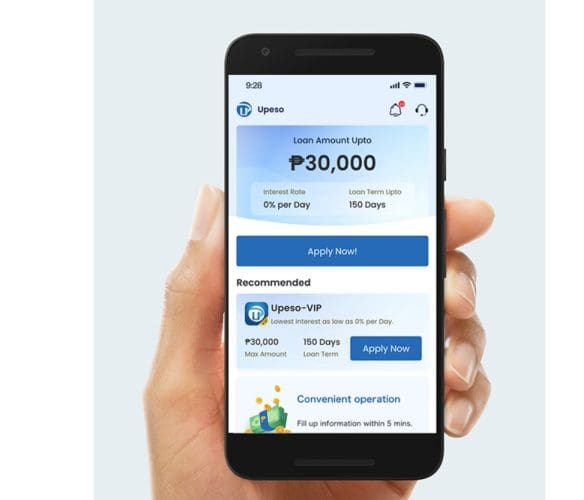
Upeso is an online cash loan app in the Philippines offering short-term personal loans to users who need money quickly. Borrowers can download the Upeso APK for Android or use the Upeso app for iOS to apply. The app promotes fast approval and minimal requirements — usually just a valid ID and basic personal information.
Main Features of Upeso:
-
Loan amount: ₱1,000 – ₱30,000 (depending on credit score)
-
Approval time: Within 5–15 minutes after submission
-
Loan term: 7 to 180 days
-
Disbursement: Direct to your GCash or bank account
-
Interest rate: Up to 35% APR (varies based on borrower profile)
-
Customer service email address: upeso.cs@gmail.com
While these terms seem attractive for those who need emergency funds, it’s important to assess if Upeso is safe and how it treats its customers after loan approval.
Is Upeso Legit? SEC Registered or Revoked?
Yes, Upeso is SEC registered, under U-PESO.PH LENDING CORPORATION with SEC Registration No. CS201814908 and Certificate of Authority No. 2848. This means the company is legally allowed to lend money in the Philippines.
However, being SEC registered does not automatically guarantee ethical practices. The SEC has previously warned that even licensed lenders can face suspension or revocation if they engage in abusive collection tactics or violate consumer protection laws.
So, while Upeso is technically legit, you should still proceed with caution.
Upeso Harassment Complaints and Victims’ Experiences
Many borrowers have shared harassment complaints against Upeso on Reddit, Facebook, and Google Play reviews. Users claim that the app’s collection agents resort to public shaming, calling contacts, or sending threats to force repayment.
1. Common Complaints
-
Agents contacting family, friends, or employers.
-
Excessive messages and calls even before the due date.
-
Rude or abusive language from collectors.
-
Incorrect computation of interest and penalties.
2. Real Victims’ Feedback
Some victims reported that even after paying off their loans, the harassment didn’t immediately stop. Others said the app’s customer service was unresponsive, leaving them unsure whether their payments were processed properly.
These experiences have triggered harassment investigations by online consumer protection groups, though no major legal case has been confirmed as of 2026.
Upeso Loan Requirements and Application Process
Despite the complaints, Upeso’s application process remains straightforward.
How to Apply:
-
Download the Upeso App (latest version) via Google Play, App Store, or Upeso APK.
-
Register/Login using your mobile number and ID.
-
Fill out personal information and upload required documents.
-
Wait for approval (usually within 15 minutes).
-
Receive the cash loan directly to your account.
Loan Requirements:
-
Must be a Filipino resident (aged 18–60)
-
Valid government ID (UMID, Driver’s License, Passport, etc.)
-
Active mobile number
-
Stable source of income (employee or self-employed)
Upeso doesn’t require collateral, which makes it appealing for people without access to traditional banking loans.
Interest Rate, Repayment, and Customer Service
Interest Rate:
-
Nominal interest rate: 0.05% – 1% per day
-
Processing fee: 10% – 20% of loan amount
-
Late payment penalty: 2% – 5% per day
These rates are higher than banks or official lending institutions, which is common among online cash loans. Borrowers should read the full terms carefully before accepting.
Payment Methods:
-
GCash, PayMaya, or bank transfer
-
Early repayment option available through app or linked payment platforms
Customer Service:
-
Email: upeso.cs@gmail.com
-
Response time: 1–3 business days (based on user reports)
Unfortunately, customer support reviews are mixed — some borrowers say they get prompt responses, while others report delayed or no replies, especially regarding payment confirmations.
Is Upeso Safe to Use in 2026?
Upeso is legal but not risk-free. The app is still SEC registered, meaning it is officially recognized by the government. However, harassment complaints, high interest rates, and unreliable support make it less recommended compared to other safe online loan apps in the Philippines.
If you still plan to borrow from Upeso, follow these safety tips:
-
Always read the terms before confirming your loan.
-
Don’t share unnecessary personal data.
-
Keep records of all payments.
-
Report any abusive behavior to the National Privacy Commission (NPC) or SEC Enforcement Division.
For a more secure experience, you can explore other SEC-accredited online lending apps with better borrower protections and transparent interest rates.
Final Verdict: Legit but With Serious Issues
To summarize, Upeso is a legit loan app because it is SEC registered, but multiple users have accused it of harassment and unethical collection practices. The app offers quick approval and easy cash, but borrowers must be cautious about its interest rates, privacy policy, and customer service.
If you are looking for a safe online loan app in the Philippines, you might want to consider alternatives with better ratings and verified user support.

Nicholas Bloom is a renowned British economist and professor at Stanford University, best known for his groundbreaking research on management practices, remote work, and productivity. His studies have significantly influenced how organizations adapt to modern work environments. Bloom has collaborated with leading institutions worldwide and frequently contributes insights on economic growth, innovation, and workplace dynamics, making him one of the most respected voices in contemporary economic research.

Leave a Reply