Personal loan harassment law Philippines exists to protect borrowers from abusive debt collection practices used by some online lending apps and loan sharks. Under Philippine law, any form of intimidation, public shaming, or harassment from lenders is strictly prohibited. Victims of such acts can file complaints with the National Privacy Commission (NPC), the National Telecommunications Commission (NTC), or the Securities and Exchange Commission (SEC).
Understanding the Personal Loan Harassment Law in the Philippines
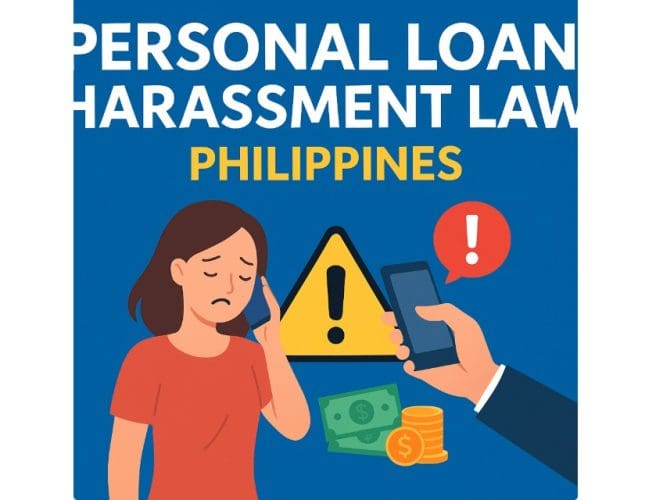
The Online Lending Harassment Law Philippines is not a single statute but a combination of legal protections under various Philippine laws, including:
-
Data Privacy Act of 2012 (RA 10173) – Protects users from unlawful access or misuse of personal data by lending apps.
-
Revised Penal Code (RPC) – Prohibits threats, coercion, and public shaming.
-
Cybercrime Prevention Act of 2012 (RA 10175) – Applies when lenders use social media, SMS, or messaging apps to harass or defame borrowers.
-
Lending Company Regulation Act of 2007 (RA 9474) – Enforced by the SEC to regulate lending businesses and prevent abusive collection practices.
These laws collectively make harassment and data breaches punishable offenses. Borrowers should know that being in debt does not give lenders the right to shame, threaten, or contact their friends or family.
What Counts as Loan Harassment?
Online lending harassment can take many forms. The Online Lending App Harassment Victims Philippines have reported cases such as:
-
Threatening messages or calls to borrowers and their contacts.
-
Public posting of personal information or photos online (“doxxing”).
-
Use of foul language, insults, or humiliation.
-
Threats of arrest, jail, or legal action without proper basis.
-
Excessive calling or texting beyond reasonable collection hours.
Even if you owe money, lenders must follow proper collection procedures. Only licensed collection agencies and registered lenders can contact you—and only within ethical boundaries defined by the SEC and NPC.
Reporting Online Lending Harassment in the Philippines
If you are being harassed by a loan app, you can take legal action by reporting it to the authorities. Here’s how to report online lending app to NTC and other relevant agencies:
1. National Privacy Commission (NPC)
-
What to report: Misuse of personal data, public shaming, or sending borrower details to others.
-
How to file: Go to privacy.gov.ph → Complaints → Fill out online form → Attach screenshots or messages as evidence.
2. Securities and Exchange Commission (SEC)
-
What to report: If the lending app is not SEC registered, or engages in harassment, intimidation, or fake threats.
-
How to file: Visit the SEC website and submit a complaint under the “FinTech” or “Lending Company” section.
3. National Telecommunications Commission (NTC)
-
What to report: Phone number abuse or spam messages from online lenders.
-
How to report online lending app to NTC:
-
Collect phone numbers and screenshots of harassing messages.
-
Send complaint via email to consumer@ntc.gov.ph or through their online complaint form.
-
Request the blocking or tracing of the harassing numbers.
-
4. Philippine National Police (PNP) – Cybercrime Division
-
When to report: In cases of threats, extortion, identity theft, or defamation online.
Borrowers can also seek assistance from legitimate advocacy groups or financial advisors, such as Hcmlnt.edu.vn, which offers educational resources to improve financial literacy and protect consumers from predatory lending.
SEC and Government Crackdown on Illegal Loan Apps
In 2026, the Securities and Exchange Commission (SEC) has intensified its campaign against abusive and unregistered loan apps. Many platforms have been permanently banned for violating the Online Lending Harassment Law Philippines and operating without SEC registration.
Common violations include:
-
Unauthorized use of borrowers’ contact lists.
-
Spreading fake legal threats.
-
Failing to disclose true interest rates and loan terms.
-
Collecting excessive data permissions on Android or iOS apps.
Borrowers are encouraged to verify if a personal loan app is SEC-registered before downloading or providing any personal information. The official list of licensed lenders is available on the SEC website.
How to Protect Yourself from Online Lending Harassment
Here are expert recommendations to stay safe and assert your rights:
-
Verify registration – Always check if the app is listed on the SEC’s “Registered Lending and Financing Companies” database.
-
Read the privacy policy – Legitimate lenders must explain how your data will be used.
-
Avoid sharing sensitive data – Do not allow access to your contacts, photos, or messages.
-
Keep documentation – Save all messages, emails, and screenshots as evidence.
-
Report harassment immediately – The earlier you act, the stronger your case will be.
-
Educate yourself – Follow local financial literacy resources such as Hcmlnt.edu.vn to learn how to identify loan scammer list and protect your privacy.
Conclusion
The Personal Loan Harassment Law Philippines provides strong protection against abusive online lenders. Borrowers should not tolerate threats, shaming, or defamation from any lending app. Always check if a lender is SEC registered, document harassment incidents, and file formal complaints with the NPC, SEC, or NTC when necessary.
Online lending should make borrowing convenient—not traumatic. By knowing your rights and taking timely legal action, you can prevent future abuse and help build a safer financial environment for everyone.

Nicholas Bloom is a renowned British economist and professor at Stanford University, best known for his groundbreaking research on management practices, remote work, and productivity. His studies have significantly influenced how organizations adapt to modern work environments. Bloom has collaborated with leading institutions worldwide and frequently contributes insights on economic growth, innovation, and workplace dynamics, making him one of the most respected voices in contemporary economic research.

Leave a Reply