If you’ve come across 24h Peso and are considering applying for a quick online loan, you’re probably asking: Is 24h Peso legit or a scam? Does it have SEC registration? Are there harassment complaints from borrowers?
Here’s the short answer: 24h Peso shows several red flags. Many borrowers in the Philippines report harassment, unclear loan terms, and hidden charges. There’s also no verified proof that it is SEC registered. Let’s break down everything you need to know before downloading or using this loan app.
What is 24h Peso Loan App?
Overview
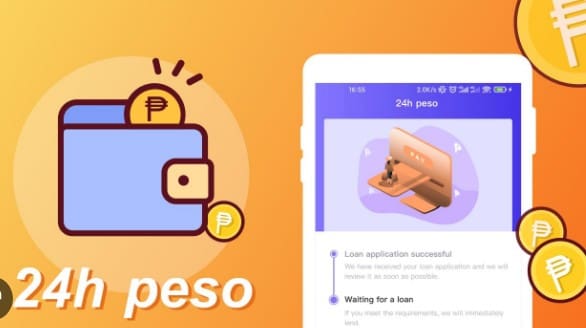
24h Peso claims to be an instant online cash loan app for Filipinos who need fast financial help. It promotes itself as a 24-hour cash loan platform, offering:
-
Quick approval and disbursement
-
No collateral required
-
Entirely online processing via mobile app
-
Loan amount from ₱1,000 up to ₱50,000 (depending on eligibility)
The app is available mainly for Android devices, with an APK version circulating on the internet. Some sites also mention an iOS version, though this is not clearly verified.
Loan Features (claimed by the app)
-
Loan amount: ₱1,000 – ₱50,000
-
Repayment term: 7 – 90 days
-
Interest rate: Claimed to be around 15 – 24 % per year (but user reports suggest much higher effective rates)
-
Requirements: Valid government ID, active phone number, and bank or e-wallet account for disbursement
However, while 24h Peso markets itself as a “safe online loan” provider, many borrowers’ experiences tell a different story.
SEC Registration: Is 24h Peso Licensed to Operate?
When checking legitimacy in the Philippines, the Securities and Exchange Commission (SEC) registration is the first thing to verify. All legal lending apps must have both:
-
A SEC Registration Number, and
-
A Certificate of Authority (CA) to operate as a financing or lending company.
As of now, there’s no verified SEC registration number publicly linked to 24h Peso. Borrowers and review communities note that the app fails to show proper legal documents or corporate details.
This means 24h Peso may not be officially registered or authorized as a lending company. The absence of transparent ownership information and missing SEC registration data is a major warning sign.
24h Peso Harassment Reviews & Complaints
Borrower Experiences
Many Filipino borrowers have reported harassment and data privacy violations after missing payments or even before the due date. Common complaints include:
-
Excessive harassment: The app’s collectors allegedly contact not only borrowers but also their family and friends.
-
Public shaming: Some users claim that the app threatens to post personal details or send messages to a borrower’s contact list.
-
Overcharging and hidden fees: Users report receiving a lower loan amount than promised. For example, applying for ₱4,000 but receiving only ₱2,200, while still being required to repay ₱4,600 or more.
-
Unclear repayment rules: The app does not always explain how interest and penalties are computed.
These experiences are consistent with illegal collection practices, which are explicitly prohibited by the SEC and the National Privacy Commission (NPC) in the Philippines.
Real-life Impact
Borrowers who experienced harassment said the situation caused stress, embarrassment, and fear for their personal data. Victims have since filed complaints with regulatory agencies to report harassment and abusive debt collection practices from the app’s agents.
Is 24h Peso Legit or a Scam?
Let’s evaluate 24h Peso based on key legitimacy criteria:
| Criteria | 24h Peso App Evaluation |
|---|---|
| SEC Registration Number | Not found / Not disclosed publicly |
| Certificate of Authority (CA) | No verified document |
| Transparency in fees & interest | Poor; users report hidden or inflated charges |
| Debt collection practices | Harassment and privacy violations reported |
| Customer service and support | Unclear; limited response channels |
| Safety of app (Android/iOS) | Risky, as the APK may come from unofficial sources |
Verdict:
24h Peso is not a fully legitimate or safe lending app. The absence of clear SEC registration, frequent harassment complaints, and questionable lending practices make it a high-risk platform.
Borrowers are strongly advised to avoid using 24h Peso and instead look for SEC-licensed and transparent lending companies.
What to Do if You Are a Victim of Harassment
If you already borrowed from 24h Peso and are now facing harassment, here’s what you can do:
-
Document everything: Save all text messages, screenshots, and call logs as evidence.
-
Report to the SEC: File a formal complaint under “Online Lending App Harassment.”
-
Contact the National Privacy Commission (NPC): Report the app for data privacy violations, especially if your contacts are being harassed.
-
Do not pay through unofficial channels: Some collectors may demand payment to personal accounts — avoid this.
-
Seek legal advice: Consult with a lawyer or a consumer protection group.
If possible, block the app’s numbers and update your phone permissions to restrict access to your contact list and photos.
Safer Alternatives to 24h Peso
Instead of risky or unverified loan apps, choose SEC-registered lending platforms or banks with transparent loan terms. Examples include:
-
Licensed microfinance institutions (with visible SEC or BSP details)
-
Official bank apps (like CIMB, Maya, Tonik, or UNO Digital Bank)
-
Credit cooperatives or government loan programs
These legitimate options may have lower interest rates, clearer repayment terms, and most importantly, no harassment.
Final Thoughts
While 24h Peso markets itself as a fast and easy way to borrow money, the lack of SEC registration, harassment reports, and suspicious loan deductions make it an unsafe option for borrowers in the Philippines.
If you need emergency cash, always verify the lender’s SEC registration and Certificate of Authority. Never install or share data with apps that request contact access or operate outside of official app stores.
In summary:
24h Peso is not recommended for borrowers seeking safe online loans in the Philippines in 2026.

Nicholas Bloom is a renowned British economist and professor at Stanford University, best known for his groundbreaking research on management practices, remote work, and productivity. His studies have significantly influenced how organizations adapt to modern work environments. Bloom has collaborated with leading institutions worldwide and frequently contributes insights on economic growth, innovation, and workplace dynamics, making him one of the most respected voices in contemporary economic research.

Leave a Reply