If you’re a borrower facing 7 Days Loan App Harassment in the Philippines, the best way to stop it is by blocking harassing contacts, documenting every threat, and reporting the abusive loan app to the SEC or National Privacy Commission (NPC). This practical guide explains how to deal with online lending harassment, protect your privacy, and ensure your rights are respected under Philippine law.
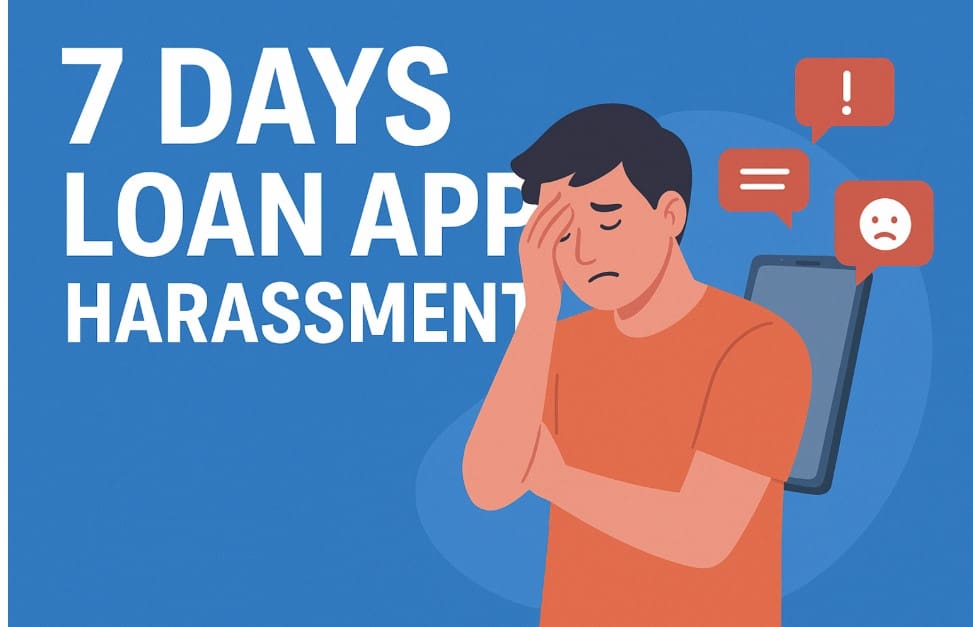
Understanding 7 Days Loan App Harassment in the Philippines
“7-day loan apps” are short-term online lending platforms that promise quick cash disbursement, often without strict verification. Unfortunately, many of them use harassment tactics such as sending threats, public shaming, or disclosing borrower data to contacts when payments are delayed.
These illegal online lending apps often demand repayment aggressively and may violate the Data Privacy Act of 2012 by accessing and sharing users’ personal data without consent. Victims typically experience text or call harassment, defamation on social media, and threats from fake collectors.
The rise of these abusive practices in the Philippines highlights the urgent need for borrower awareness and stronger law enforcement.
How to Stop Online Lending Harassment Step-by-Step
Here’s how to effectively stop online lending harassment and regain control of your privacy:
-
Block all calls, texts, and social media accounts connected to the loan app. This reduces exposure to harassment.
-
Document every threat or abusive message. Take screenshots and save them as evidence for future complaints.
-
Do not give in to fear or pressure. Never send money to unverified accounts or unknown collectors.
-
Report data misuse to the National Privacy Commission (NPC) by submitting a complaint online.
-
File a report with the Securities and Exchange Commission (SEC) against unregistered or abusive lending companies.
These steps help stop harassment legally and protect other borrowers from falling victim to the same scams.
Legal Remedies and How to Report Online Loan Harassment in the Philippines
Borrowers have legal rights under Philippine law to protect themselves against loan app harassment:
-
Data Privacy Act of 2012: Prohibits unauthorized sharing of borrower data and penalizes violators.
-
Cybercrime Prevention Act of 2012: Criminalizes online harassment, threats, and defamation.
If you want to report online loan harassment, you can take the following actions:
-
To the National Privacy Commission (NPC) – for privacy and data breaches.
-
To the Securities and Exchange Commission (SEC) – for unlicensed lending apps.
-
To the PNP Anti-Cybercrime Group or NBI Cybercrime Division – for threats or extortion cases.
When submitting reports, include all screenshots, messages, and the app’s details. Authorities can use this to investigate and take action.
How to Identify and Avoid Illegal Online Lending Apps
Many abusive lenders disguise themselves as legitimate apps. Here’s how you can tell if a loan app is not SEC-registered:
-
It asks for access to your contacts, gallery, or messages.
-
It uses social media to threaten or shame borrowers.
-
It has no physical address or customer support hotline.
You can verify whether a lender is SEC-registered by visiting the official SEC website and checking the List of Registered Online Lending Platforms.
Choosing legitimate and SEC-registered loan apps helps prevent future harassment and ensures that your data stays safe.
Practical Tips to Deal With and Prevent Future Harassment
To avoid becoming a victim again, follow these preventive measures:
-
Borrow only from licensed lending apps listed by the SEC.
-
Read app permissions carefully before installation.
-
Use a separate number or email for loan transactions to protect your privacy.
-
Educate family members about online loan scams and fake collectors.
-
Visit Hcmlnt.edu.vn for more consumer protection resources and financial education articles.
These habits not only protect your data but also help reduce the number of people victimized by illegal online lenders in the Philippines.
Conclusion
Stopping 7 Days Loan App Harassment in the Philippines starts with awareness and immediate action. Block, document, and report every instance of harassment to the right authorities. Stay informed, choose only SEC-registered loan apps, and don’t be afraid to exercise your rights as a borrower.
By taking these steps, you not only protect yourself but also contribute to ending the abusive culture of online lending in the country — making borrowing safer for everyone in 2026.

Nicholas Bloom is a renowned British economist and professor at Stanford University, best known for his groundbreaking research on management practices, remote work, and productivity. His studies have significantly influenced how organizations adapt to modern work environments. Bloom has collaborated with leading institutions worldwide and frequently contributes insights on economic growth, innovation, and workplace dynamics, making him one of the most respected voices in contemporary economic research.